How to Build a Coaching Website That Attracts the Right Clients
Most Coaching Websites Don't Work
The average coaching website is a well-designed brochure. It looks professional, tells a story about the coach, and then... nothing happens. Visitors leave without taking any action. The problem isn't design. It's that the site is built around the coach rather than the client. An effective coaching website is built around one question: why should my ideal client choose to work with me?
The One Job Your Website Has
Your website's job is to move the right visitors to take one specific action, almost always booking a discovery call or joining your email list. Every page, every section, every piece of copy should serve that conversion goal. If an element doesn't contribute to it, it's clutter.
The Homepage: What It Needs Above the Fold
The section of your homepage visible before a visitor scrolls needs to answer three questions immediately:
- Who is this for?
- What outcome do they get?
- What should they do next?
If a visitor has to scroll or read multiple paragraphs to understand whether this site is relevant to them, you've already lost most of them.
Social Proof Before Credentials
Most coaches lead with their bio and credentials. Most clients care about results, not resumes. Lead with outcomes: what clients have achieved, what they say about the experience, what changed for them. Then support that with your background and relevant experience. Proof first, credentials second.
A Clear Services Page
Describe each coaching package or offer with specificity. Who is it for? What does it include? What outcome does it deliver? How long does it run? What does it cost, or how do they find out? Vague service descriptions create hesitation. Specific ones create confidence.
An About Page That Builds Trust
The about page is not a professional biography. It's a trust-building page that answers the question prospective clients are really asking: why should I trust you with this problem? Tell the relevant parts of your story, specifically the parts that connect your experience to their situation. If you've lived the journey you're guiding others through, say so directly.
A Frictionless Path to Contact
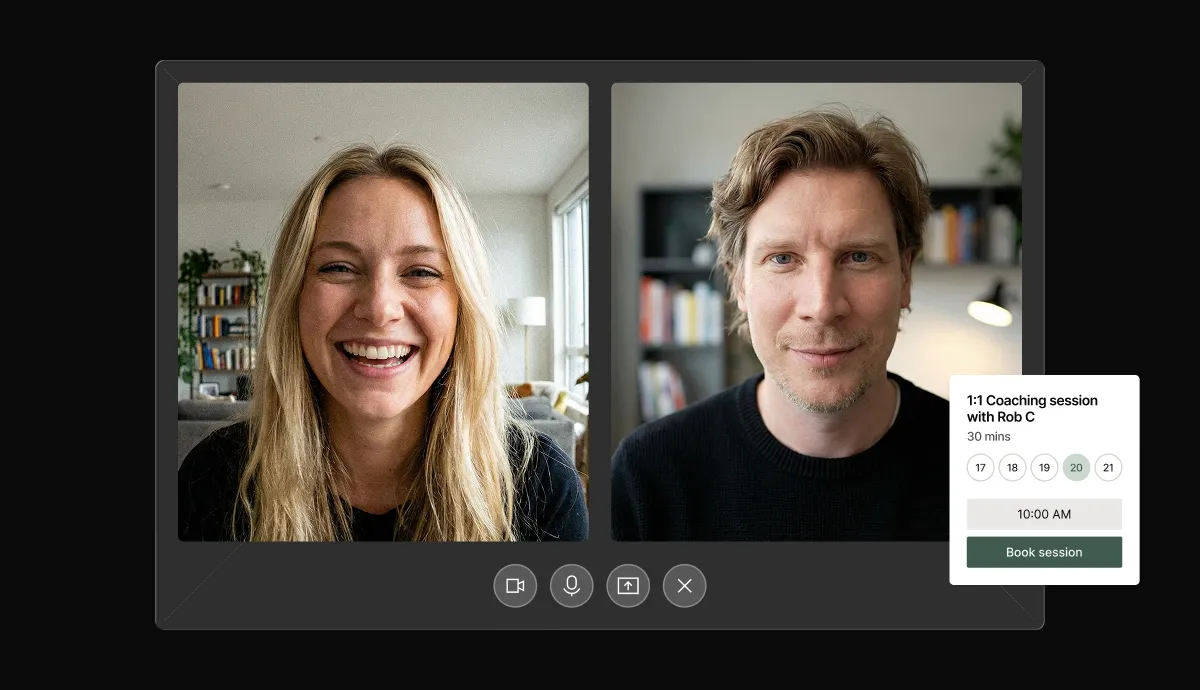
Make it easy to book a call. A scheduling tool embedded in the site (rather than an email-and-wait process) removes friction and converts more visitors. The fewer steps between "I'm interested" and "I've booked a call," the better.
SEO Basics Matter
If you want your website to do discovery work for you over time, invest in basic SEO. Write pages and blog posts around the specific questions your ideal clients are searching for. A consistent content strategy built around your niche's real questions can become a significant source of inbound leads over 12 to 24 months.